Beyond staffing: how proactive HSE support strengthens workforce safety


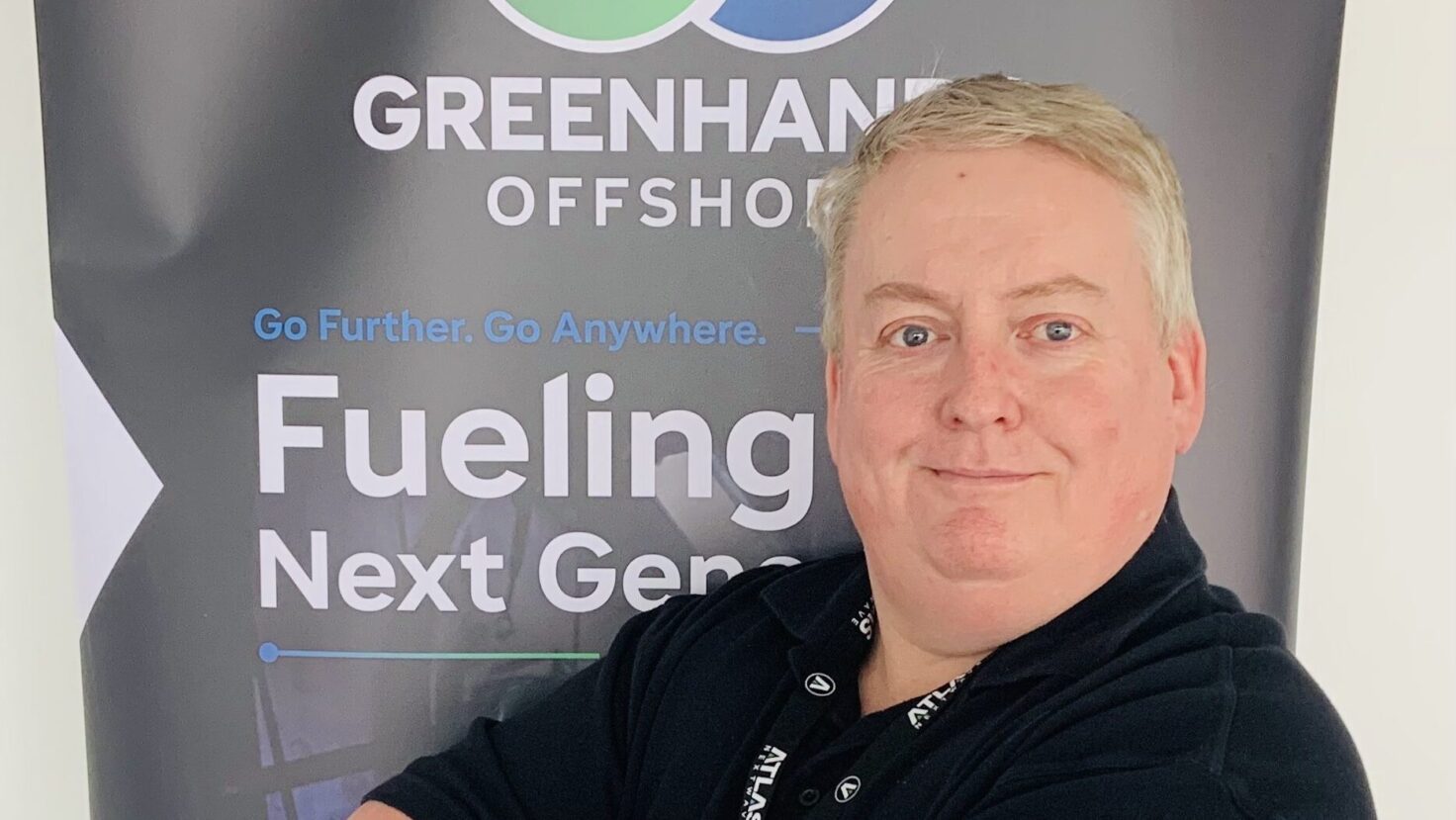
Safety is not an add-on at Atlas NextWave. With dedicated in-house Health & Safety expertise, we work to prepare professionals properly, strengthen safety awareness and support safer working environments. Health & Safety Manager Mark McDonald explains how his own offshore experience shaped that approach, why safety sits at the heart of Greenhands Offshore, and how Zero Harm is developing into a wider client proposition.
I’m the Health & Safety Manager at Atlas NextWave, supporting our teams, professionals and clients across the business. I also play a key role in Greenhands Offshore and in developing our wider Zero Harm approach. Before moving into Health & Safety, I started offshore myself as a Greenhand. In 2005, I was trying to break into an industry that could be very difficult to access without experience or the right connections. I invested heavily in training and certifications, and eventually got my first opportunity as a Greenhand Roustabout. That experience has stayed with me. I know what it feels like to step into an offshore environment for the first time, which is one of the reasons I am so focused on making sure people are properly prepared before they get there.
When you are new to offshore work, there is a huge amount to take in. The environment, the equipment, the terminology, the rules and the risks can all be unfamiliar. Good safety preparation is therefore about more than telling someone what not to do. It is about helping them understand why the controls are there, what can go wrong and what is expected from them when they see something that does not look right. That is the mindset I try to bring into everything we do. We want people to arrive with the confidence to recognise risk, ask questions and speak up.
Because supplying people into high-risk industries comes with a wider responsibility. Many recruitment companies focus primarily on finding the right person, checking qualifications and arranging mobilisation. At Atlas NextWave, we can also bring dedicated Health & Safety expertise into that relationship. That means we can support our own professionals, but it also means we can work directly with client operational and HSE teams, look at recurring issues, share observations and help identify where further attention may be needed. Safety is part of the workforce solution, not something separate from it.
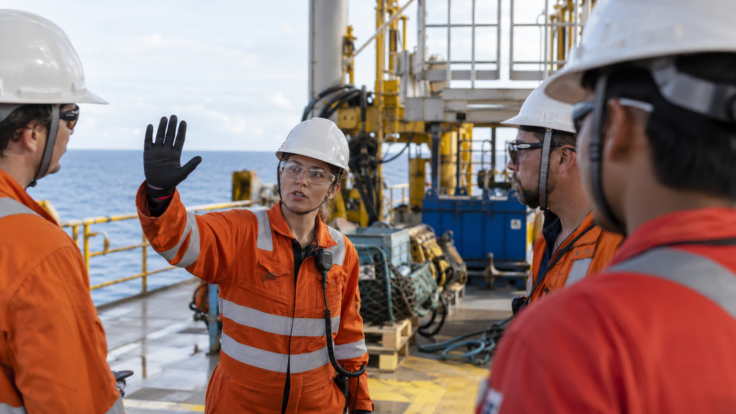
Safety is one of the foundations of Greenhands Offshore. The programme is designed to give people a realistic understanding of offshore life and the risks they may encounter before they step onto a rig or vessel. Topics include risk management, Stop Work Authority, line-of-fire awareness, lifting operations, Lock Out Tag Out, hand and finger injury prevention, dropped objects and working at height. The aim is not to turn someone into an experienced offshore worker in one day. It is to give them a much stronger starting point, so they understand the environment they are entering and the behaviours expected of them.
Because real examples make safety meaningful. A lot of the training I deliver is based on incidents and accidents I have personally investigated. Looking at what happened, why it happened and what could have prevented it helps people understand that safety controls are not theoretical. It also makes people think differently. Instead of simply learning a rule, they understand the potential consequence of ignoring it.
Many serious incidents come back to a relatively small number of recurring risks and behaviours. These can include line of fire, dropped objects, hand and finger injuries, working at height, energy isolation, lifting operations, slips and trips, process safety and lack of situational awareness. What matters is not only knowing that those risks exist, but understanding how to recognise them in real working situations and having the confidence to respond appropriately. That is where preparation and experience-based learning make a real difference.
Extremely important. People should never feel they have to continue a task they believe is unsafe. But simply telling someone they have Stop Work Authority is not enough. They need to understand that they are genuinely expected to use it. We want professionals to challenge unsafe behaviour, raise concerns and make positive interventions when necessary. That is a core part of the safety culture we want to encourage.
The Life-Saving Rules create a simple and consistent foundation around some of the highest-risk activities and behaviours. They reinforce areas such as working at height, energy isolation, line of fire, confined-space entry, PPE, emergency preparedness and Stop Work Authority. The value is in keeping those expectations clear and memorable. Safety management can become very complex, but people still need simple principles they can carry with them into the workplace.
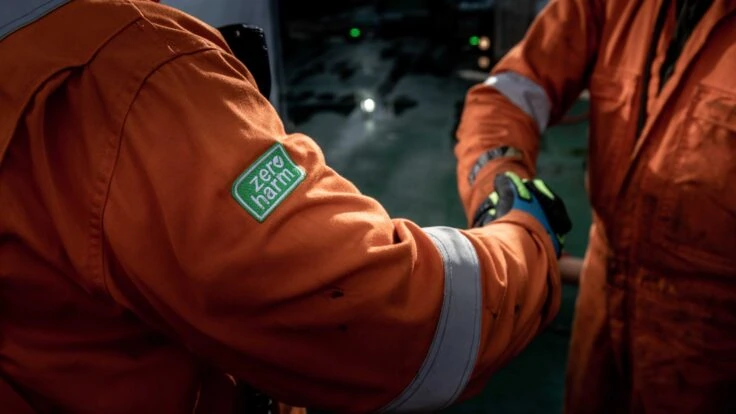
For me, Zero Harm is about being proactive rather than waiting for something to go wrong. It starts with preparing people properly before mobilisation, but it continues throughout the assignment. We want professionals to participate in safety conversations, make observations, identify hazards and share lessons learned. The next step is using that information more intelligently. Instead of only asking, “What happened?”, we want to ask, “What are we seeing, what are we learning and what should we do about it?” That is where Health & Safety becomes much more valuable to both Atlas NextWave and our clients.
Yes, and I think that is an important part of where we can add more value. If we are seeing recurring incidents, unsafe behaviours or similar observations on a particular rig, vessel, site or project, the issue may not simply be that one individual needs more training. The underlying cause could sit in supervision, communication, processes or the wider working environment. Because we have in-house HSE expertise, we can work with the client to understand the pattern, review what is happening and help shape a more targeted response. That could involve safety conversations, awareness campaigns, incident learning, trend analysis or specific interventions around the issue identified.
That we want to be an active safety partner. For professionals, that means helping them arrive better prepared, supporting them during their assignments and encouraging them to speak up and contribute to safer workplaces. For clients, it means we can bring more than workforce supply. We can bring Health & Safety knowledge, insight from the workforce and practical support when a safety challenge emerges. Ultimately, our ambition is simple: every assignment should give us an opportunity to learn something that can make the next one safer.
Through Greenhands Offshore, our Life-Saving Rules and our wider Zero Harm approach, Atlas NextWave continues to strengthen the role safety plays across the workforce journey. With dedicated in-house Health & Safety expertise, we can support both professionals and clients in identifying risks, improving safety awareness and creating safer working environments.
Share this article