Beyond staffing: how proactive HSE support strengthens workforce safety


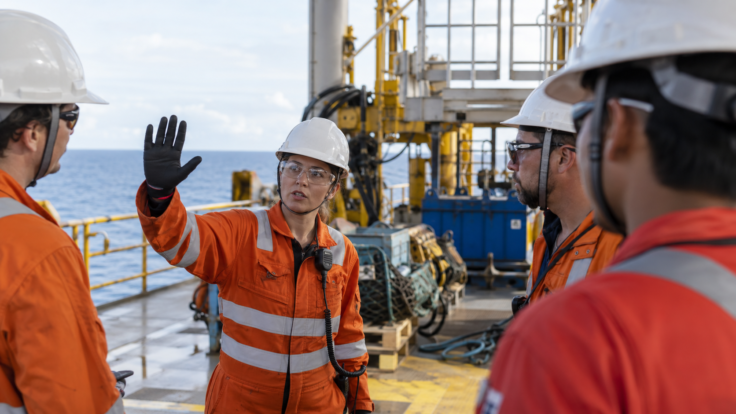
Safety depends on more than procedures. It depends on people recognising risk, making the right decisions and feeling confident enough to speak up when something is unsafe. At Atlas NextWave, our Life-Saving Rules are designed to reinforce the behaviours that matter most in high-risk working environments and support our wider Zero Harm approach.
Always use the correct fall-prevention measures where there is a risk of falling. Working at height requires preparation, the right equipment and constant awareness of the environment around you.
Every person should understand the emergency procedures relevant to their workplace before work begins. Knowing where to go, what to do and who to contact can make a critical difference when every second counts.
Make sure the vehicle you are using is safe and suitable for the journey, and always drive defensively. Safe driving means anticipating risk, adapting to conditions and avoiding unnecessary exposure.
Before starting a task, consider the hazards, what could go wrong and the controls needed to prevent it. Good safety starts with thinking ahead rather than reacting after something happens.
Before starting work, make sure relevant energy sources have been properly isolated and de-energised. Never assume equipment is safe simply because it appears inactive.
Personal protective equipment is a critical last line of defence. Always wear the PPE required for the task and make sure it is suitable, correctly fitted and in good condition.
Be aware of where energy, equipment or materials could move unexpectedly. Position yourself so that you are not exposed to moving objects, suspended loads, pressure releases or other potential hazards.
Only enter a confined space when the required controls are in place and have been verified. Confined spaces can contain hazards that are not immediately visible, making preparation and control essential.
Safety and responsibility extend beyond personal wellbeing. Reduce waste where possible, reuse materials and recycle appropriately to help minimise the environmental impact of the work we do.
If a task feels unsafe to start or continue, stop. Everyone has a responsibility to speak up, challenge unsafe conditions and prevent an incident before it happens.
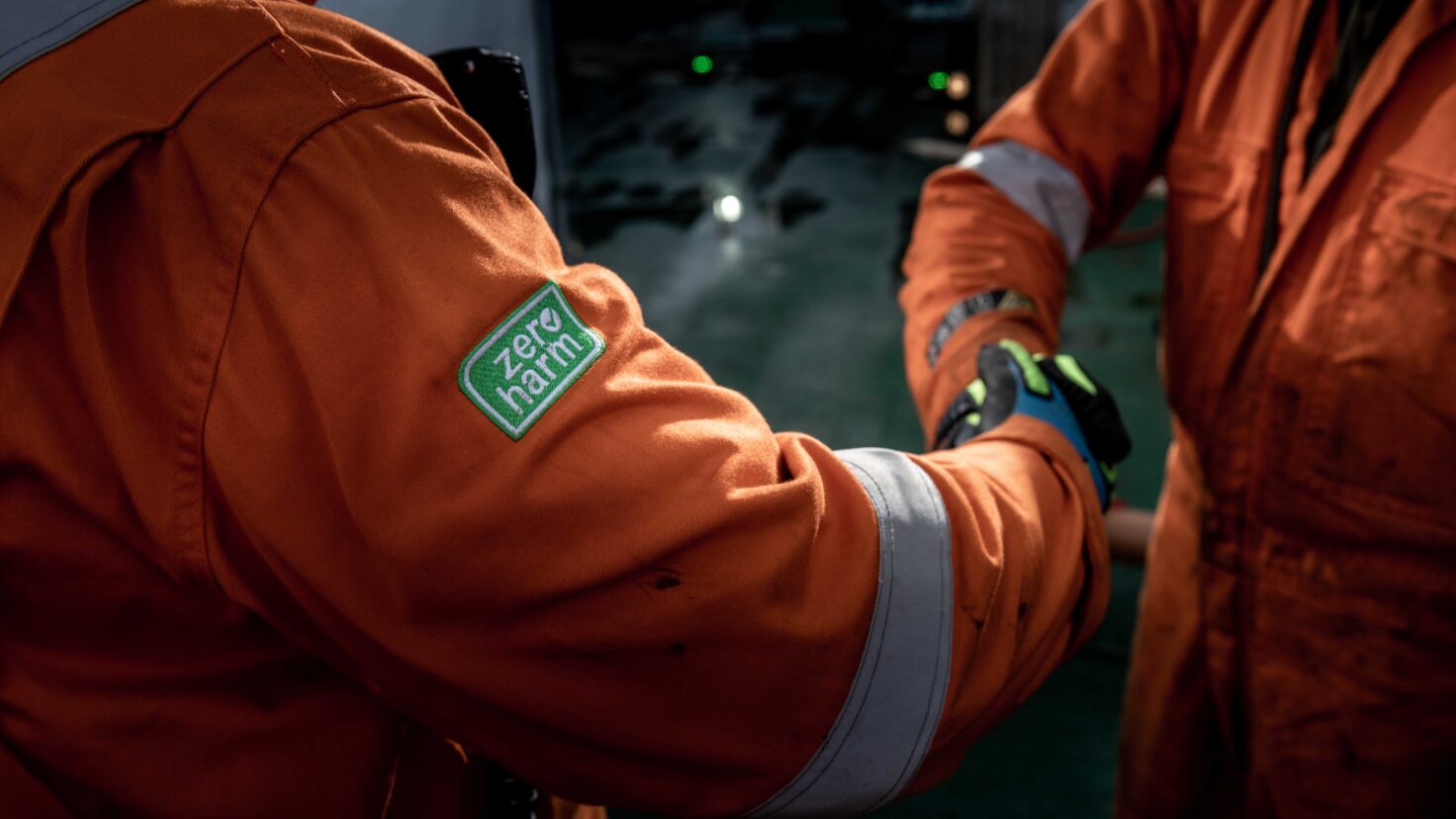
Our Life-Saving Rules provide a simple, consistent foundation for safer work, but rules alone are not enough. Safety depends on awareness, preparation, communication and the willingness to act when something does not feel right. Through Zero Harm, Atlas NextWave combines workforce preparation with in-house Health & Safety expertise, helping professionals work more safely and helping clients identify recurring risks, strengthen safety behaviour and create safer working environments.
Share this article