Atlas NextWave renews its support for climate projects through Ecologi


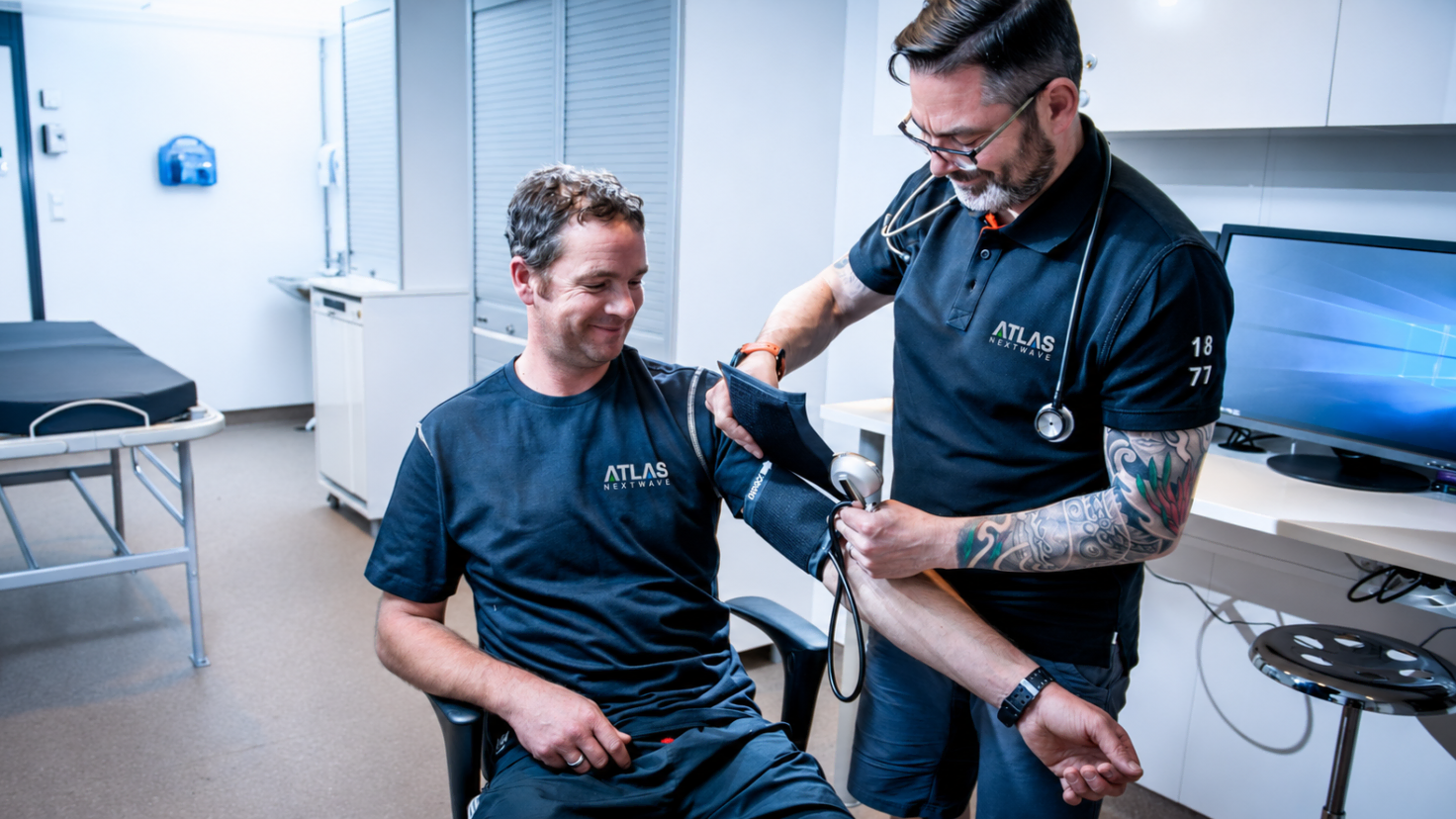
At Atlas NextWave, preparation for an offshore rotation starts before we put a professional forward for a role. We check the medical certificates required for the assignment, then speak to the professional again before they travel. A new UK offshore safety requirement shows why both checks matter.
Two professionals doing the same job on different installations can face different medical requirements. The country, operator and destination all matter. A certificate accepted for one assignment may need an operator’s approval for another. The examining doctor assesses the individual’s fitness for offshore work and decides whether any restrictions or a shorter certificate duration are appropriate. Our recruitment team checks that the required certificates are in place before sharing the professional’s CV with the client. That gives everyone time to resolve questions about validity or restrictions while the crew is still being planned.
Since 1 November 2026, Offshore Energies UK’s safe weight policy has set a maximum clothed weight of 124 kg for workers travelling by helicopter to UK offshore installations covered by the policy. The measure reflects the operating limits of equipment used to rescue and evacuate people in an emergency. Weight is measured in the clothing required for travel that season, including shoes.
The policy covers outbound flights to those installations. Return flights to shore and travel to marine vessels fall outside its scope. The limit also affects medical certification: OEUK states that its medical examiners will not issue a certificate under the policy to someone above the limit. For anyone planning a crew change, this makes the destination, the certificate and the travel arrangements relevant from the outset.
For assignments covered by the UK policy, our Aberdeen team confirms the professional’s clothed weight before submitting them for the role. Even when a figure is already on record, the recruiter checks it directly with the individual. The team reconfirms it during the pre-mobilisation safety call, usually three to four days before departure. That conversation serves a wider purpose. A certificate records an assessment made on a particular day. The call gives the professional an opportunity to say how they feel now, raise a concern or tell us that something has changed since their medical. Where a question needs clinical judgement, it can be referred to the appropriate medical professional before travel.
If you’re preparing to mobilise a team offshore, tell us where they’ll be working and how they’ll travel. Our team can help you identify the medical documentation, operator requirements and pre-departure checks that apply to the assignment.
Share this article