
Supporting Guyana’s Growing Offshore Energy Sector


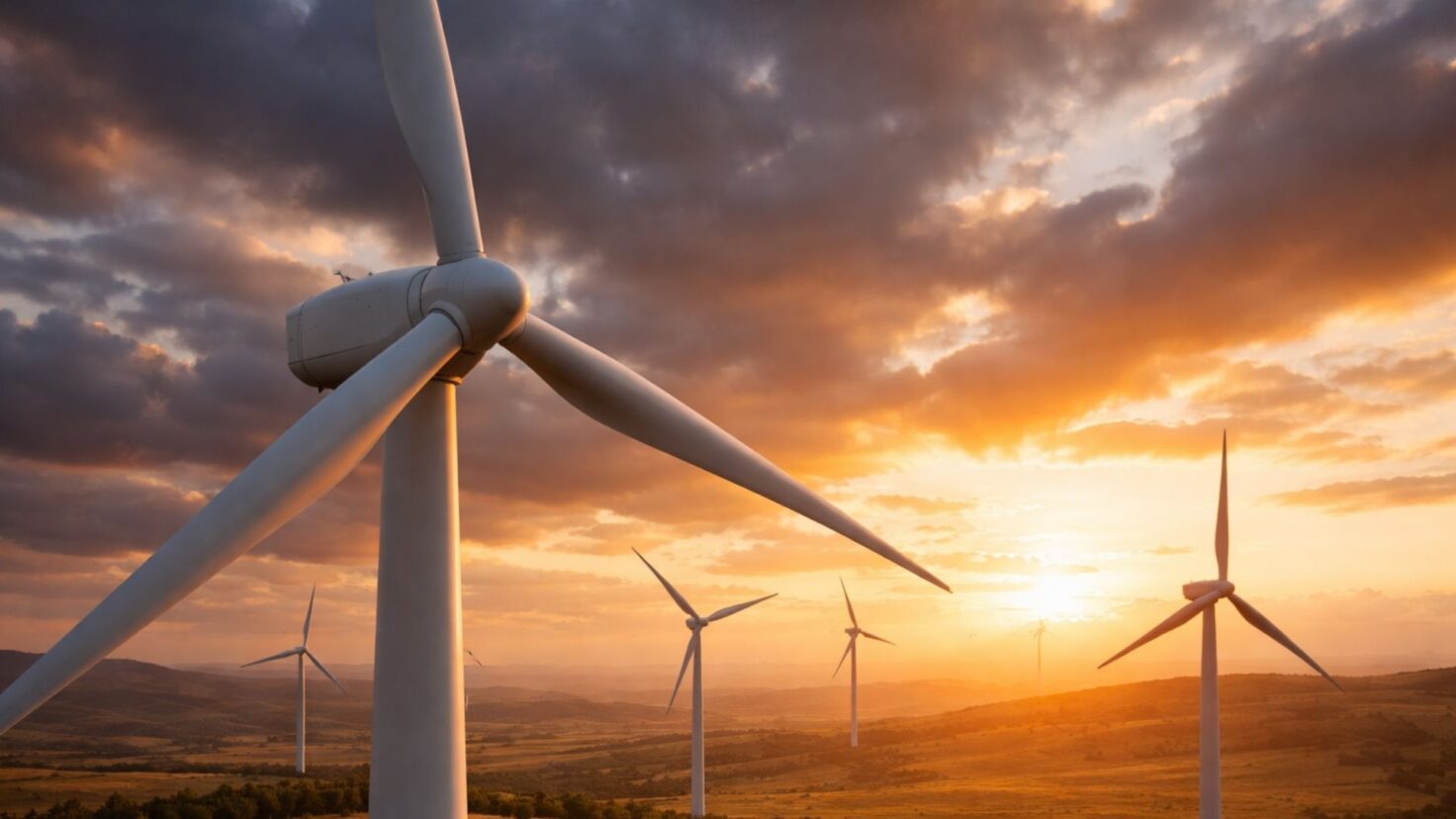
For many years, the story of wind energy in Brazil was centred on growth. New projects were commissioned, installed capacity expanded rapidly and the country established itself as one of Latin America's leading wind energy markets. Today, the conversation is beginning to evolve. While new developments continue to create opportunities, the Brazilian wind sector is increasingly entering a phase focused on operations, maintenance and long-term asset performance. At the same time, the industry is preparing for future opportunities, including offshore wind and growing electricity demand from emerging industries such as data centres and green hydrogen.
Brazil’s wind industry has matured significantly over the past decade, supported by strong wind resources and continued investment in renewable energy infrastructure. The northeast of the country remains the heart of the industry, hosting the vast majority of Brazil’s installed wind capacity and many of its largest projects. As more wind farms move into long-term operational phases, the focus is shifting beyond construction and commissioning. Owners and operators are increasingly focused on reliability, maintenance planning, performance optimisation and extending asset life. This creates growing demand for experienced technicians, maintenance specialists, engineers and other professionals capable of supporting operational excellence across the lifecycle of a wind farm.
Wind turbines may be highly advanced pieces of technology, but their success ultimately depends on people. From routine inspections and blade repairs to troubleshooting and preventive maintenance, skilled professionals play a critical role in ensuring wind assets operate safely and efficiently. Globally, the wind industry is expected to require significant growth in its workforce over the coming years, particularly within operations and maintenance disciplines. As wind fleets continue to expand, attracting, developing and retaining skilled talent will remain a key priority for the sector.
Like many energy markets around the world, Brazil’s wind sector is not without its challenges. Grid constraints, transmission capacity limitations and periods of energy curtailment have created headwinds for some renewable energy developers in recent years. These challenges have contributed to a slowdown in new project activity and have encouraged the industry to focus more closely on operational efficiency and long-term asset value. However, industry stakeholders remain optimistic about the long-term outlook. Growing electricity demand, industrial development, data centre expansion and the emergence of new energy-intensive industries are expected to support future investment and renewed growth in the years ahead.
Another area attracting increasing attention is offshore wind. Brazil has taken important steps towards establishing a regulatory framework for offshore wind development, creating the foundations for a future market that could complement the country’s already significant onshore wind sector. While large-scale offshore wind projects are still some way from construction, the long-term potential remains substantial. As the market evolves, experience gained from decades of offshore energy operations and onshore renewable energy projects will play an important role in supporting future workforce requirements.
Brazil’s wind energy sector is no longer defined solely by how many turbines are being installed. The next chapter will be shaped by how effectively assets are operated, maintained and optimised over the long term, while preparing for future opportunities across both onshore and offshore wind. For employers, developers and service providers alike, success will depend not only on technology and investment, but on having access to the skilled workforce needed to support the industry’s continued evolution.
Share this article